

Asiana Airlines
Asiana Airlines is a South Korean airline that has its international hub at Incheon International Airport and the domestic one at Gimpo International Airport – both of them located in Seoul. If you travel with Asiana Airlines you can reach most parts of the world, even if the majority of their destinations are found in Asia. The airline is also a member of the international alliance Star Alliance.
CALLSIGN: ASIANA. IATA Code: OZ. ICAO Code: AAR
Website: http://us.flyasiana.com/
Asiana Airlines 30 days of scheduled flights
Asiana airports
Asiana Airlines operates over 130 flight routes. Here are the most popular.
| From | To | |||
|---|---|---|---|---|
| GMP | Seoul | Jeju | CJU | » |
| KWJ | Gwangju | Jeju | CJU | » |
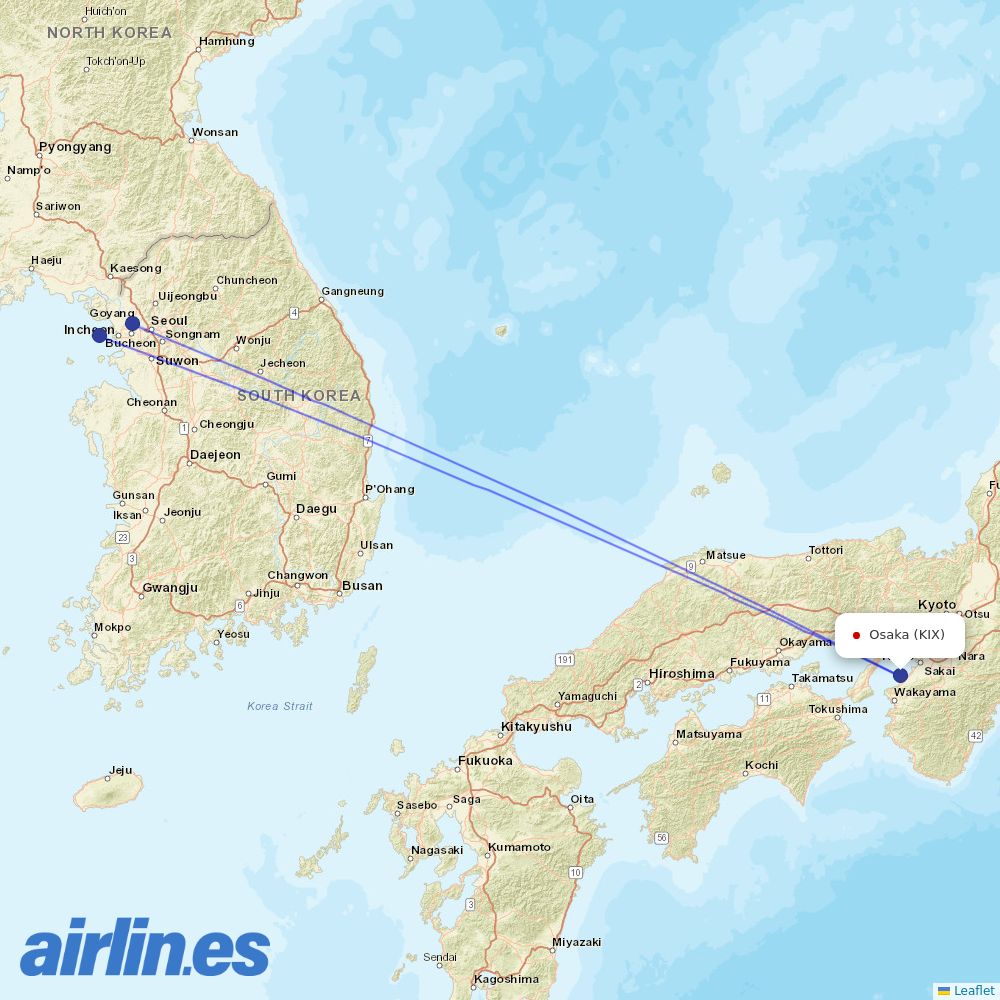
| KIX | Osaka | Seoul | ICN | » |
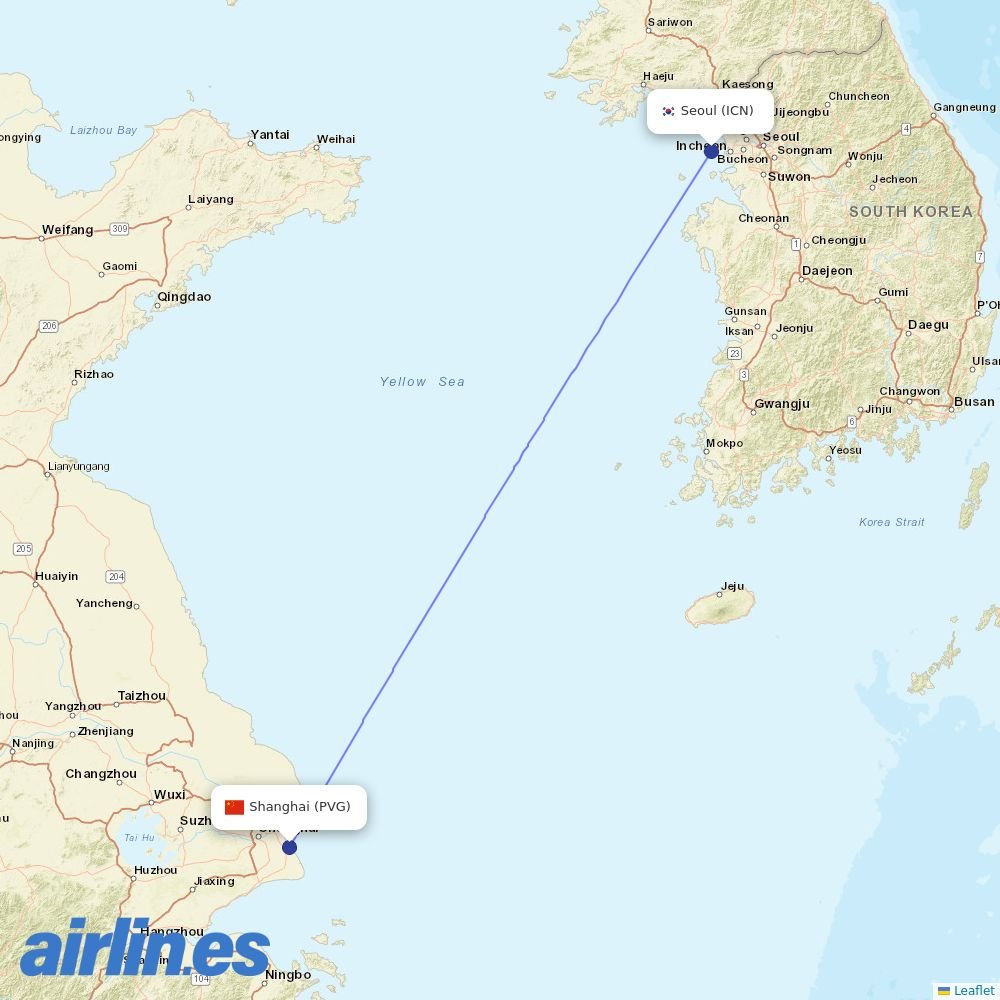
| PVG | Shanghai | Seoul | ICN | » |
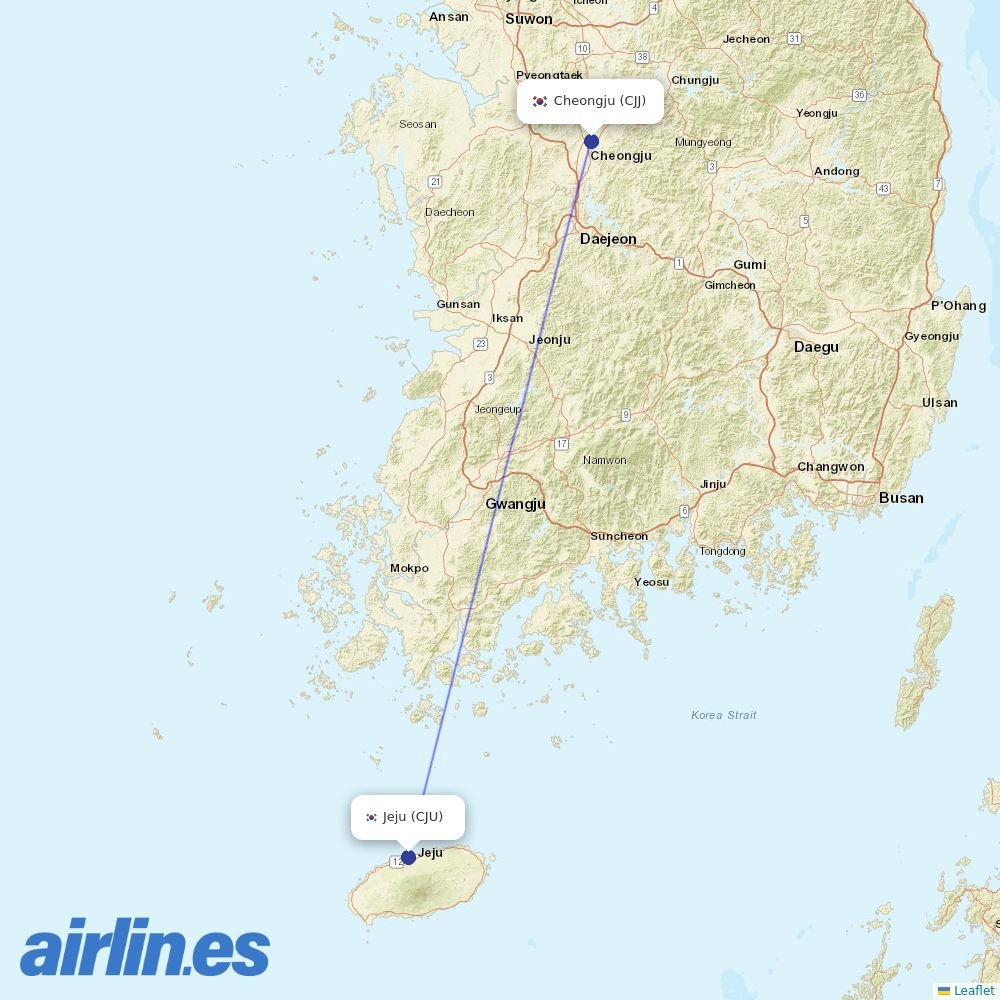
| CJJ | Cheongju | Jeju | CJU | » |
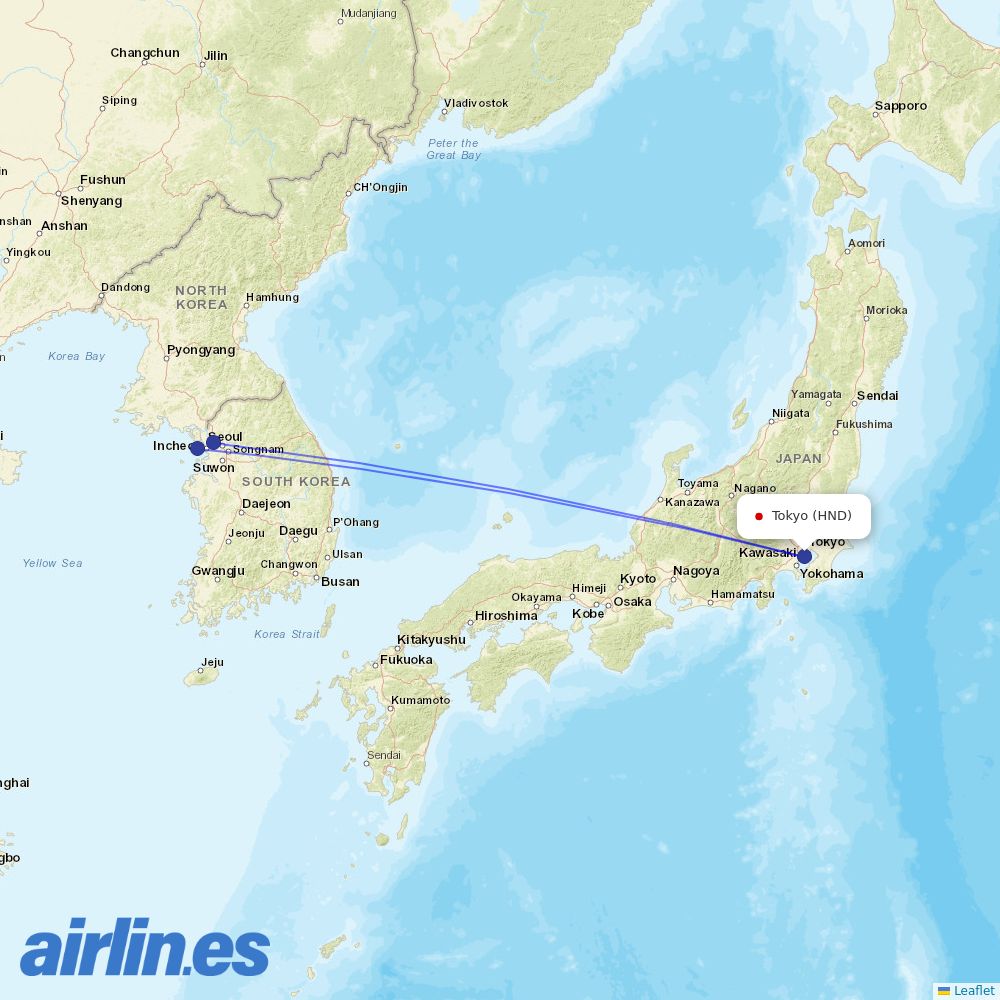
| GMP | Seoul | Tokyo | HND | » |
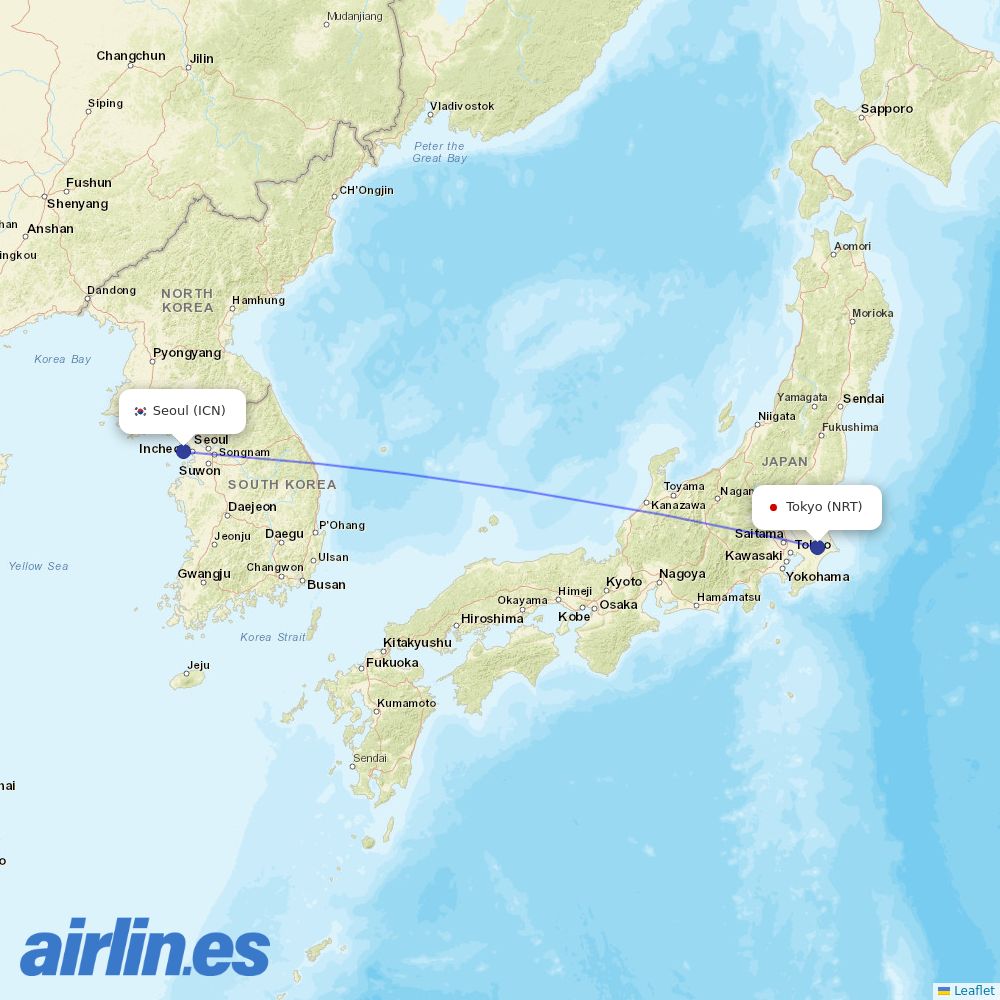
| ICN | Seoul | Tokyo | NRT | » |
| PEK | Beijing | Seoul | ICN | » |
| GMP | Seoul | Osaka | KIX | » |
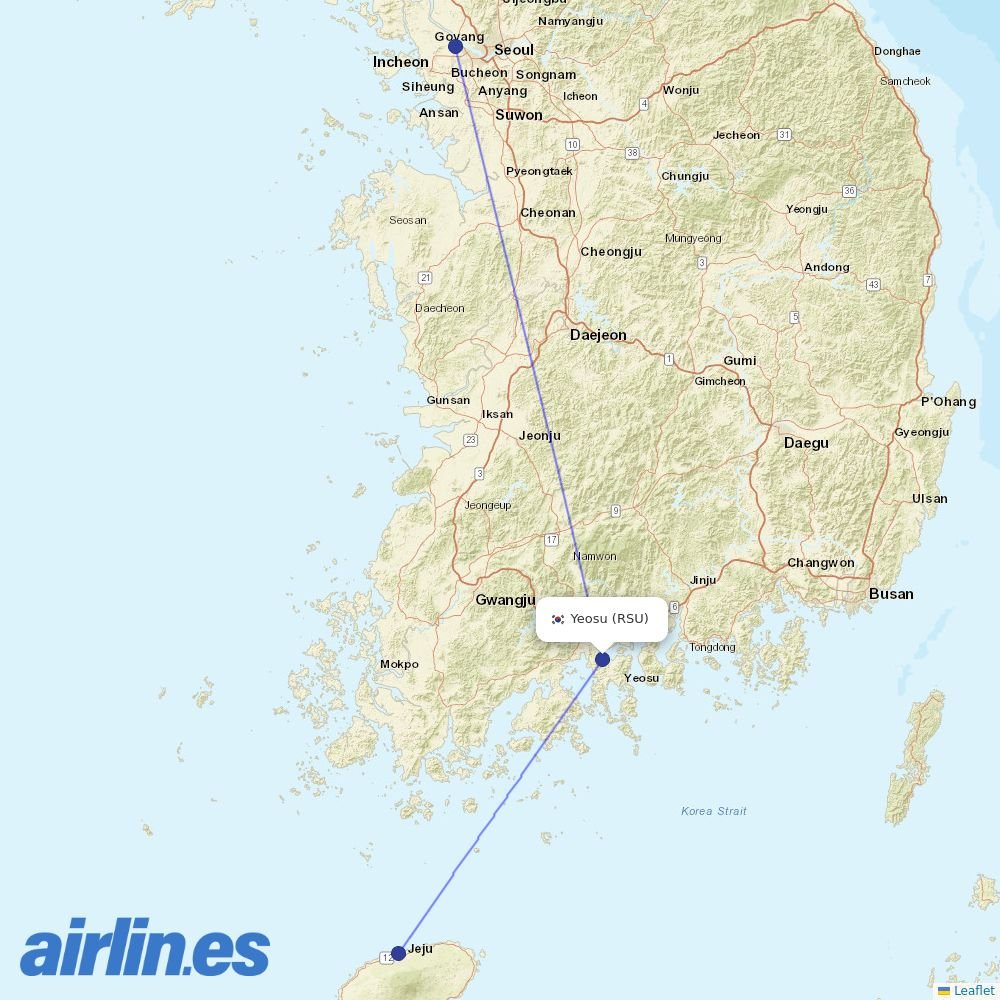
| RSU | Yeosu | Jeju | CJU | » |
| GMP | Seoul | Yeosu | RSU | » |
| JFK | New York | Seoul | ICN | » |
| HAN | Hanoi | Seoul | ICN | » |
| TAE | Daegu | Jeju | CJU | » |
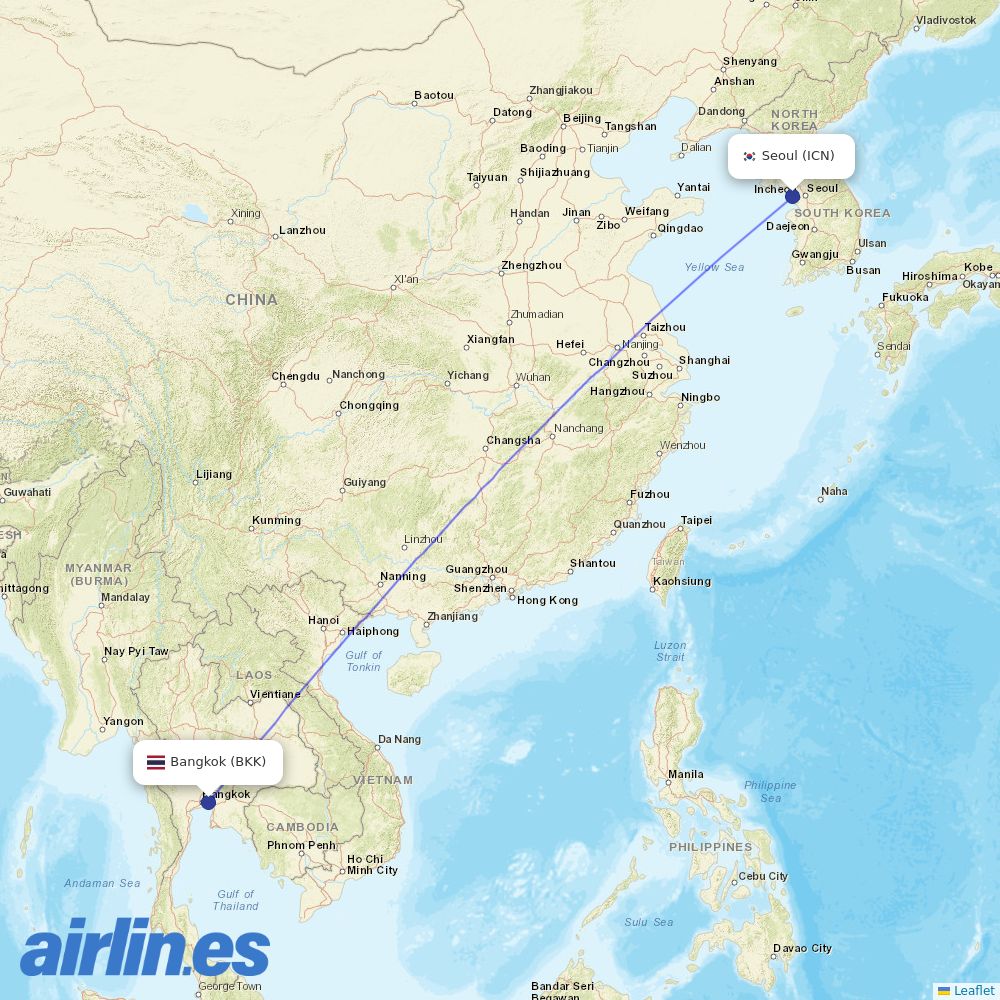
| ICN | Seoul | Bangkok | BKK | » |
| MNL | Manila | Seoul | ICN | » |
| LAX | Los Angeles | Seoul | ICN | » |
| NGO | Nagoya | Seoul | ICN | » |
| CAN | Guangzhou | Seoul | ICN | » |
| GMP | Seoul | Gwangju | KWJ | » |
Aircraft models scheduled to fly with Asiana Airlines.
| Aircraft model | Flights |
|---|---|
| Airbus A321 | 1823 |
| Airbus A330-300 | 1689 |
| Airbus A321neo | 1565 |
| Airbus A350-900 | 712 |
| Boeing 777-200LR | 352 |
Asiana Airlines airports
Sorted by the number of departing flights next month.

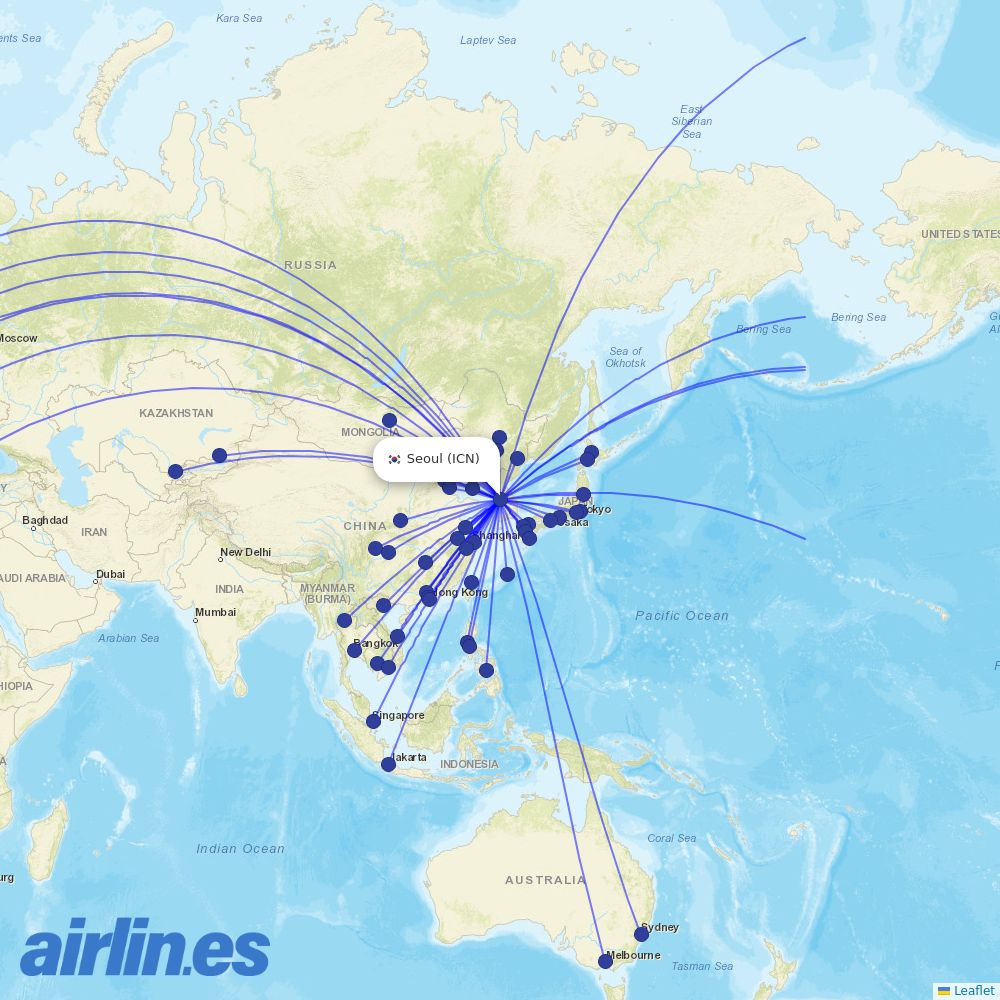
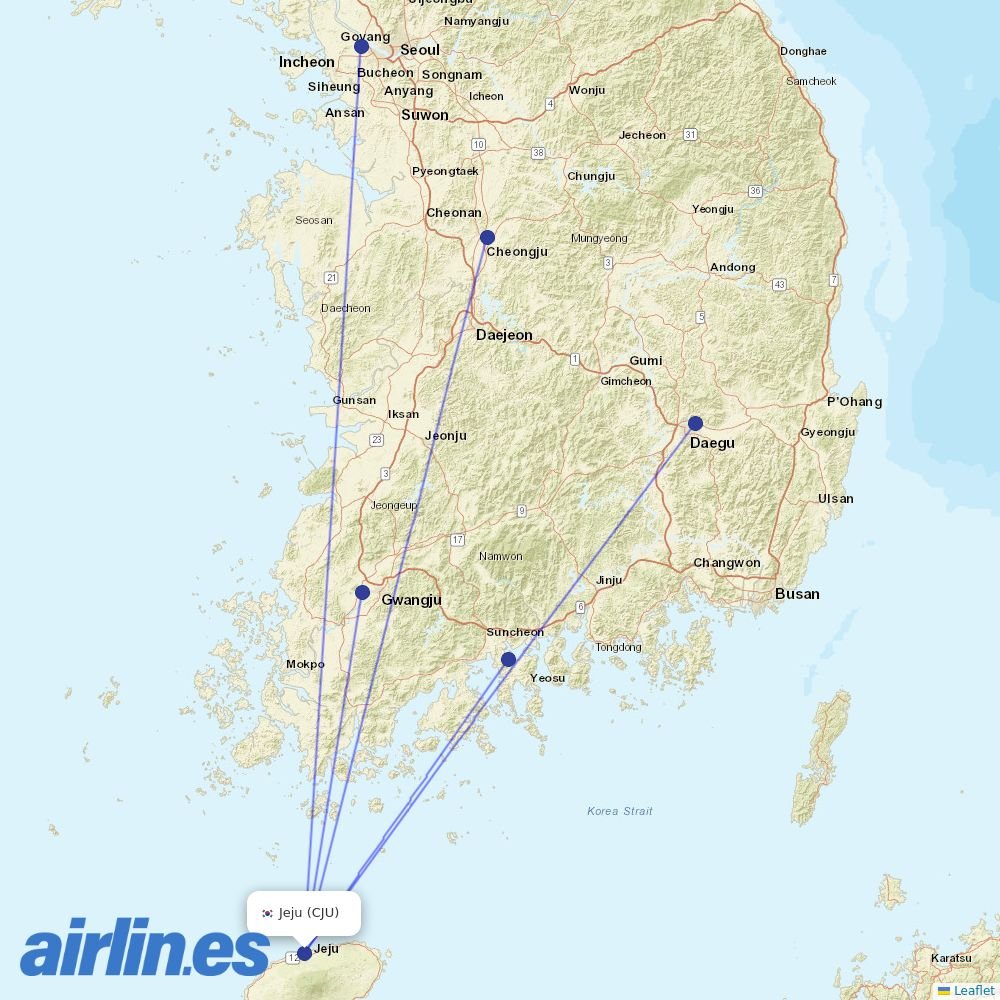
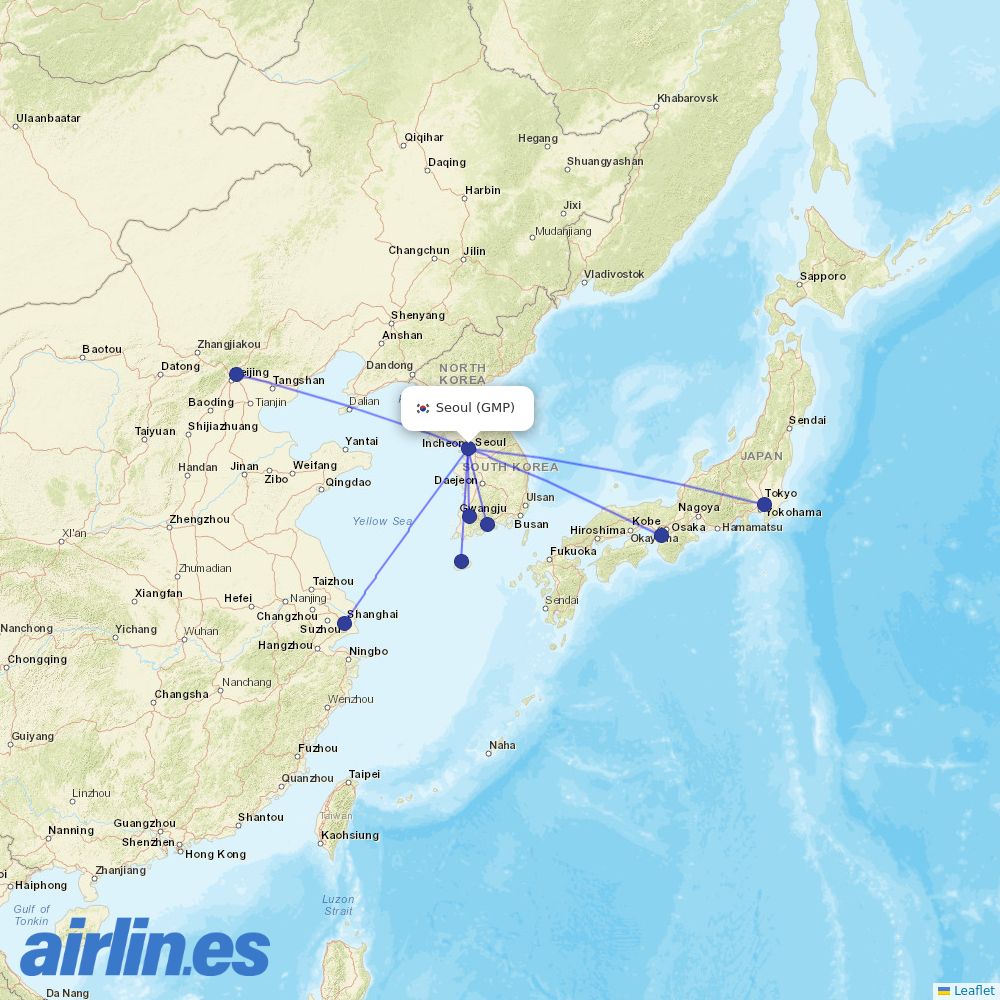
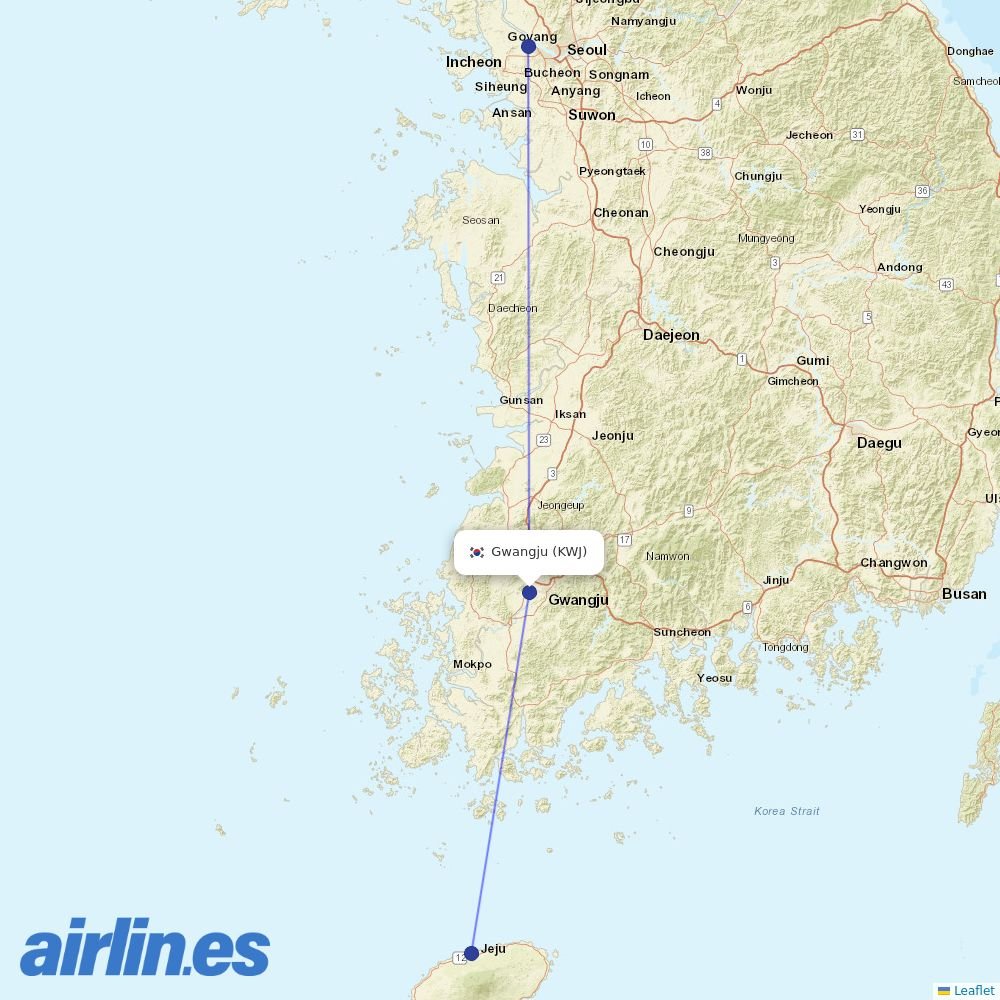


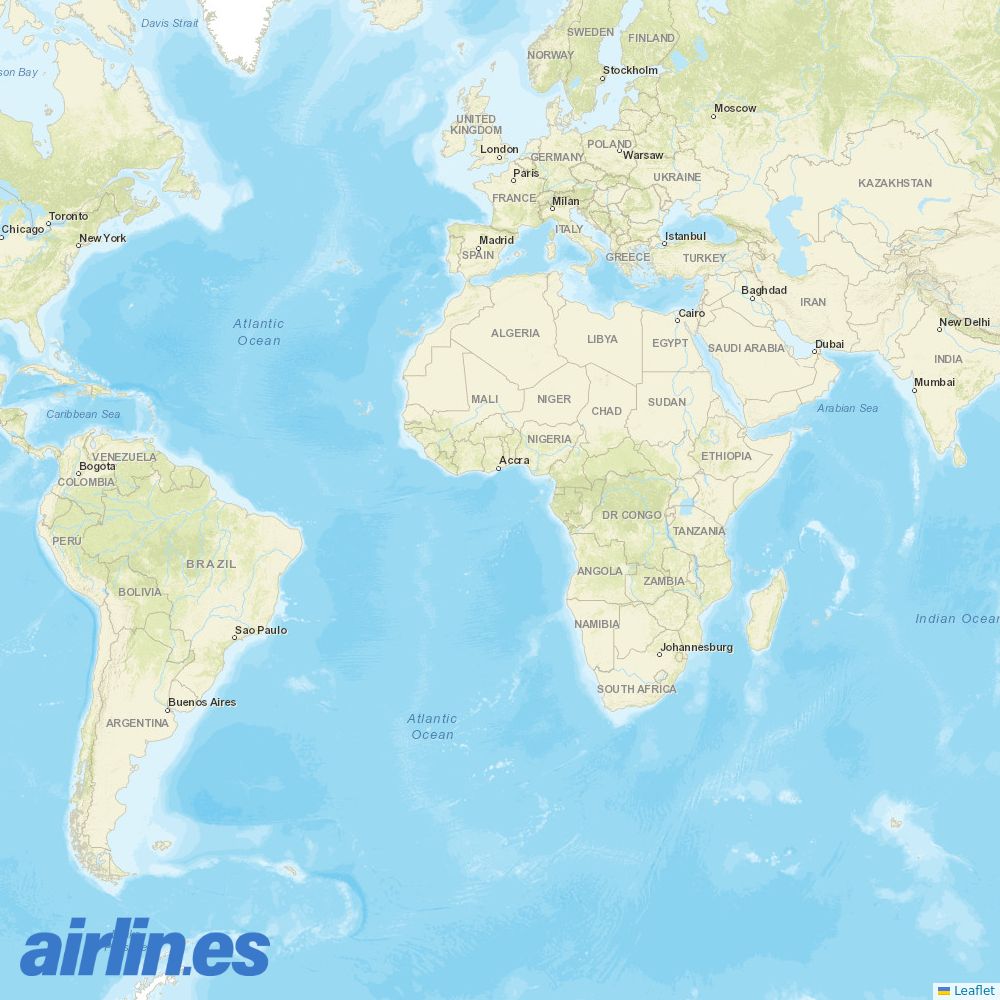

An airline hub is an airport where the airline has a heavy presence and normally some kind of headquarters. On the other hand, a focus city is a destination where the airline operates limited point-to-point routes. In these cities, the airline doesn’t necessarily need to have an office (even though this sometimes is the case). Many low-cost airlines don't use the definition 'hub' but instead define their main airports of operations as an operating base.